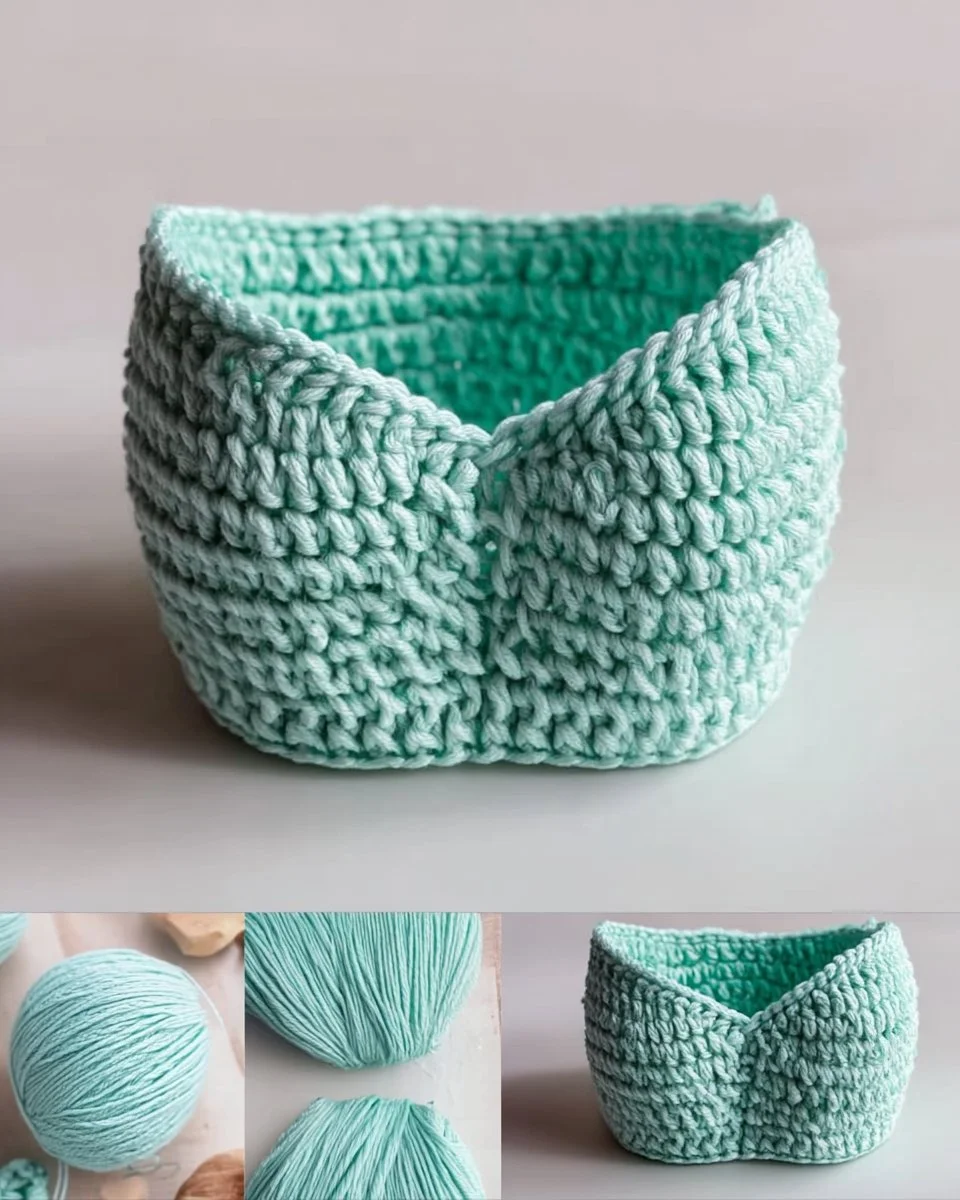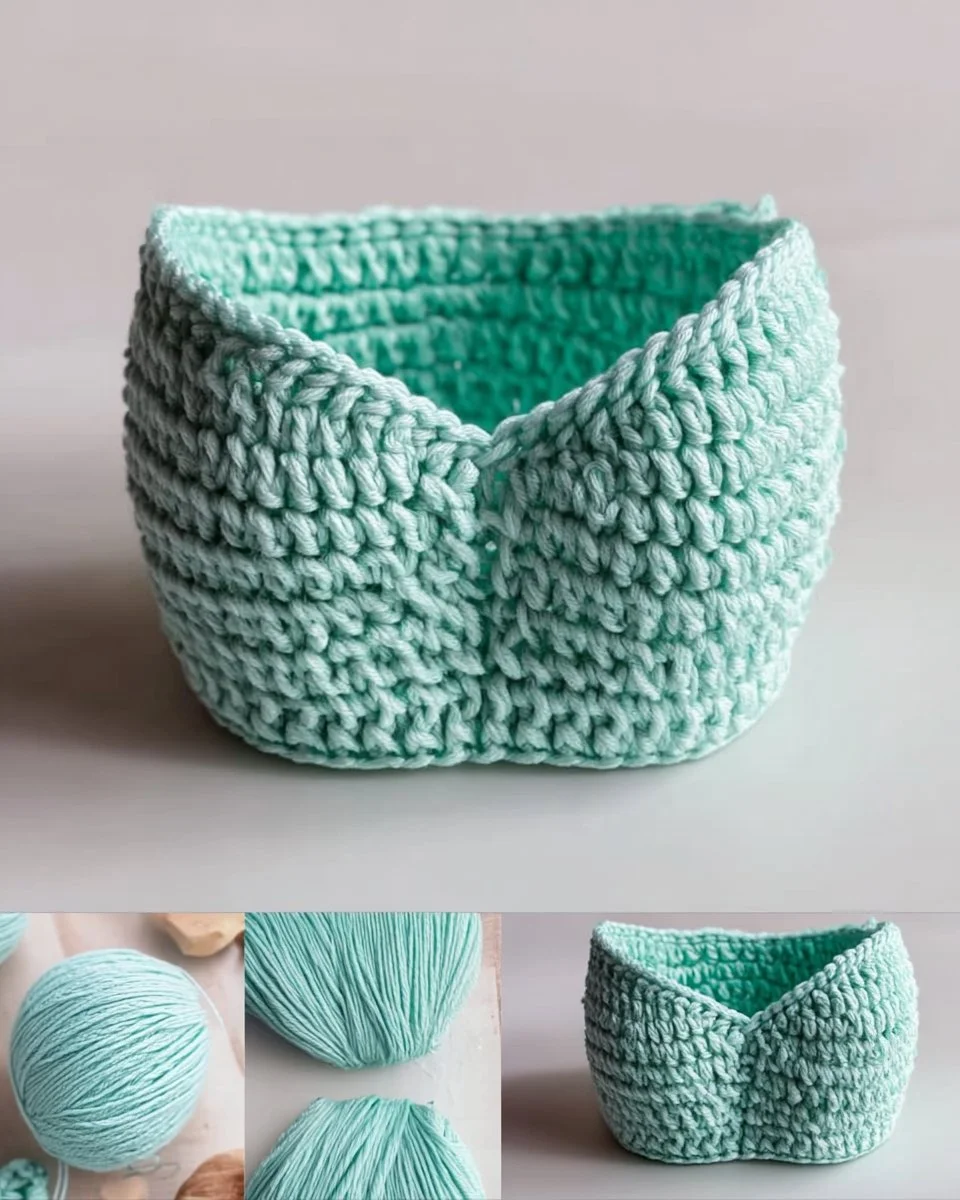
The Perfect Crochet Bra Cup Pattern For Any Size
Creating a crochet bra cup that fits well, flatters the figure, and provides comfortable support is a rewarding project for any crocheter. Whether you’re making lingerie for personal wear, creating custom swimwear, or designing festival tops, a universal cup pattern that can be adjusted for any size is incredibly useful. For inspiration and small-scale accessories that pair well with handmade garments, you might enjoy checking out the fun, character-driven tutorials like the Wolverine crochet keychain pattern, which showcases how to scale motifs and use colorwork in compact projects.
In this guide, I’ll walk you through a flexible approach to crocheting bra cups in any size, covering measurements, stitch choices, shaping techniques, and finishing tips. The method is based on working in rounds and using modular increases to control cup depth and width. You’ll learn how to translate body measurements into stitch counts, how to shape the cup for lift and support, and how to finish edges so the bra is comfortable next to the skin.
Materials and tools
- Yarn: Choose a yarn that balances stretch and stability. Cotton, cotton blends, or mercerized cotton are common choices for lingerie and swim garments because they hold shape and breathe well. For more structure, consider a sport or DK weight yarn; for lighter bras, a fingering or light sport weight works.
- Hook: Use the hook size recommended for your yarn but test gauge—fabric that’s too loose will sag and lack support.
- Elastic: Narrow lingerie elastic for the band and underbust, optional cup edge elastic if you want extra reinforcement.
- Additional supplies: Sewing needle for finishing, scissors, stitch markers, soft padding or foam inserts if desired, and closures (hooks, ties, or buttons).
- Notions for shaping: Optional underwire channels or removable cups for added structure.
Take accurate measurements
Before you start, take two essential measurements: the band (underbust) circumference and the bust circumference at the fullest point. The difference between bust and band determines your cup size. For crochet cups you’ll also want the measurement from the underbust line (where the band will sit) up to the apex of the breast—this is your cup depth. To make a custom fit, convert these measurements to stitch counts by making a small swatch in your chosen stitch, measuring the number of stitches per inch and rows per inch. For example, if your swatch yields 5 stitches per inch and your cup width target is 6 inches, you’ll aim for about 30 stitches across the cup base.
Basic construction concept
The most universal way to build a bra cup is to start with a small base—either a ring or a 2–4 chain foundation—then work increases that shape the cup into a half-sphere or a shallow cone depending on the style. There are three common construction methods:
- Spiral/concentric rounds: Work in continuous rounds, increasing at regular intervals to form a dome. This is excellent for smooth, seamless cups.
- Segmented sections: Crochet two or three wedge-shaped panels and seam them together for a contoured, structured cup.
- Triangular-to-round: Start with a triangular motif (useful for bralettes) and increase into a rounded cup for fuller coverage.
Each method can be adjusted in gauge and shaping to fit any cup size.
A sample universal cup formula
Use this approach to calculate increases. After you have your stitches-per-inch (SPI) and rows-per-inch (RPI) from a swatch, determine the cup base and the number of rounds needed for depth.
- Determine cup width in inches (W) and depth in inches (D).
- Multiply W by SPI to get the number of base stitches (S). Round to the nearest whole number and choose an even number if your pattern prefers symmetry.
- To achieve depth D, multiply D by RPI to calculate the number of rounds/rows (R) required.
- Decide on an increase schedule. For a smooth dome, spread increases evenly across the cup: total increases needed divided by the number of increase rounds tells you how frequently to increase.
For example, if S = 30 base stitches and you want a shallow rounded cup with 10 rounds reaching the desired depth, you might start with 6 stitches in the initial magic circle and then increase by 6 stitches each round in the first few rounds until you reach S, then work even to build depth.
Shaping techniques for lift and support
- Vertical shaping: Add vertical panels or slip-stitch columns that pull the apex upward for a lifted profile. This is great for fuller busts who require more shaping at the center.
- Horizontal shaping: Use graduated increases across rows near the base to build more projection at the bottom of the cup, which helps lower-heavy breasts get fuller coverage.
- Seam placement: A center seam can add structure and visual shaping, while seamless circular cups feel smooth and modern. Choose based on comfort and aesthetic.
- Reinforcement: Crochet a row of single crochets with smaller hook tension at the edge where the cup meets the band to create a firm base for sewing elastic.
Stitch choices and texture
Stitch selection affects both stretch and drape. For ribbed texture and good vertical stretch, try front post/back post stitches. For a smoother, flatter look that reduces bulk, use half double crochet (HDC) in the round or double crochet (DC) with careful gauge control. Shells and lace are beautiful but offer more give and less support—perfect for decorative bralettes but consider lining or backing for functional wear. Combining a decorative shell exterior with a tighter solid lining can give both style and support.
Adjusting patterns for different sizes
To scale up or down, always return to your stitch and row gauge. If you need a larger cup, increase the final stitch count proportionally to your target width, and add rounds to reach the depth needed. For smaller cups, reduce the base stitch count and work fewer rounds. Make a small, quick sample cup to test fit before committing to the full bra band and straps. Remember that elasticity from the yarn and any added elastic will change final fit—always try on during progress.
Straps, bands, and closures
- Band: The band provides most support in a bra. Crochet the band after the cups are fitted to the body, using a tighter stitch and adding lingerie elastic inside the band casing. For wider support, use a band height of 2–4 inches.
- Straps: For durability, crochet a strap with a stable stitch or use purchased straps and attach securely. Make straps adjustable where possible for customizable fit.
- Closures: Tie backs are easy and adjustable; hooks or snap closures offer a polished finish. If using hooks, reinforce the edge where the hardware sits.
Decorative finishes and personalization
Add picot edges, scallops, or a delicate lace trim to elevate your bra cup. Use color blocking or gradient yarns for striking effects. For festival wear, incorporate metallic threads or beads—keep comfort in mind by placing embellishments where they won’t chafe. If you like combining small projects with larger ones, exploring themed keychains or motifs is a fun way to expand your skills; for seasonal or novelty inspiration, you might enjoy browsing quick projects like these Halloween crochet keychain ideas, which demonstrate color changes and small-scale shaping techniques that translate well to trim and applique.
Working for sustainability and comfort
When making garments that touch skin, choose breathable yarns and pre-wash fabrics to pre-shrink them. If you’re creating swimwear or expecting heavy wear, opt for blends with nylon or polyester for added strength and quick drying. Consider creating removable liners or cups that can be swapped out for washing. For a polished inside finish, use mattress stitch or whipstitch to close seams flat and avoid bulky edges.
Troubleshooting common fit issues
- Cup too shallow: Add rounds to the center of the cup or increase the number of stitches early in the build to create more projection.
- Gaping at top edge: Reduce the stitch count across the upper edge or add shaping decreases to bring fabric inward.
- Band too tight/loose: Adjust by adding or removing stitches from the band and test tension with elastic inside the band casing.
- Uneven cups: Work cups simultaneously in separate skeins or mark rounds with stitch markers and count carefully to ensure symmetry. If small differences appear, unpick and rework the shorter cup to match.
Final tips and ideas
Make a prototype bra from inexpensive yarn to dial in measurements and shaping. Keep a notebook with stitch counts, round numbers, and adjustment notes so you can reproduce the fit later. If you enjoy combining projects or making themed accessories to match your handmade lingerie—such as tiny charms, tassels, or mini crochet motifs—look into small amigurumi or keychain tutorials that hone colorwork and finishing skills; creative projects like the Stewie Griffin keychain pattern are a playful way to practice precise shaping and tight gauge.
Conclusion
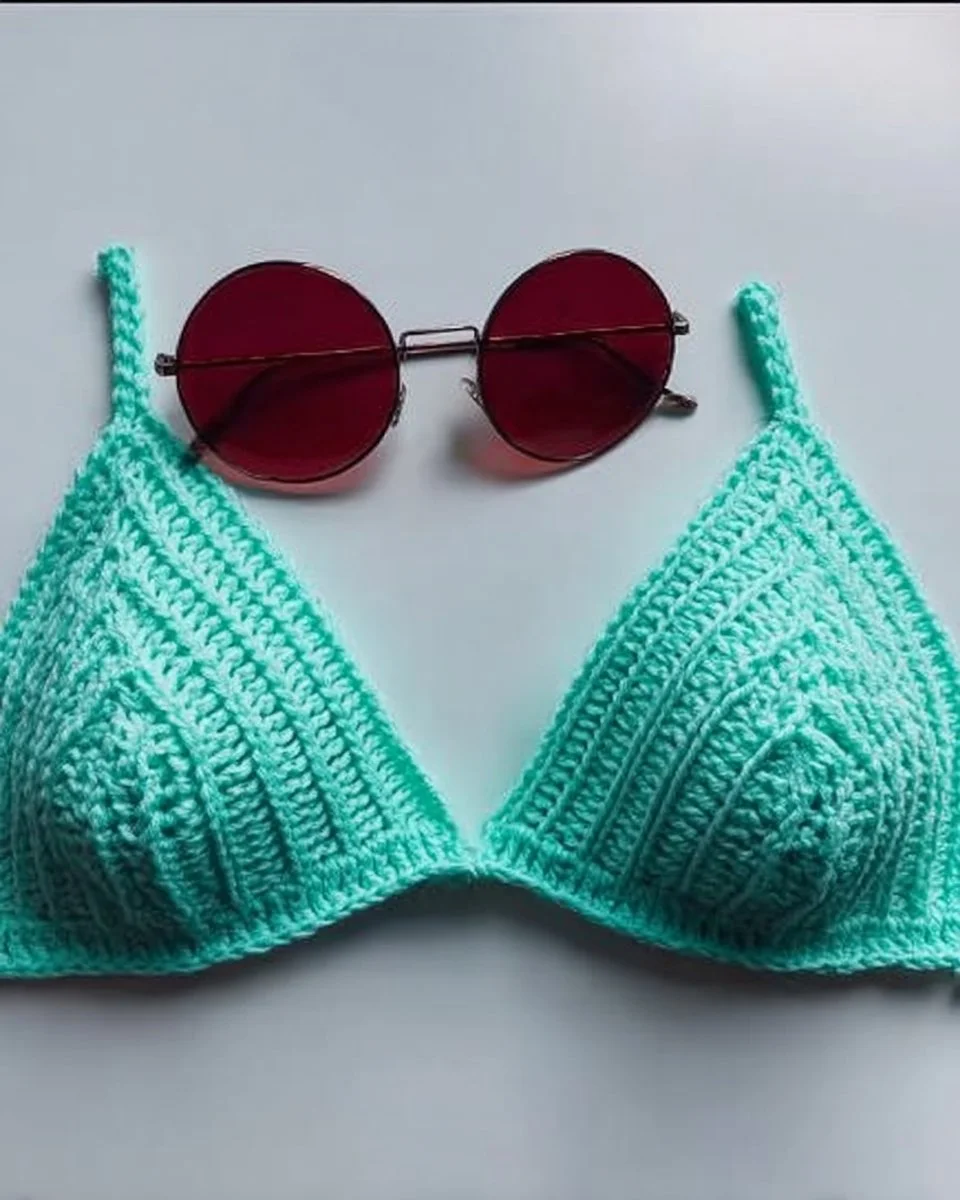
A perfect crochet bra cup pattern is really a system: measure accurately, confirm gauge, use a consistent increase plan, and adapt the stitch and finishing choices to the wearer’s needs. With patience and testing, you can craft cups for any size that combine comfort, fit, and personal style. Keep experimenting with stitch combinations and reinforcement options until you find the balance of support and beauty that works for you—crochet gives you endless ways to customize.