Crochet Cable Stitch Tank Top and Bralette: A Complete Guide to Patterns, Techniques, and Styling
Introduction Crocheting garments that combine structure and softness is deeply satisfying, and cable stitch designs are particularly rewarding because they create a sculpted, textured look that reads like knitted cables but works beautifully in crochet. Whether you’re aiming for a breezy summer tank top or a supportive bralette, cable stitches add visual interest and a flattering vertical emphasis. If you’re expanding your warm-weather wardrobe and want a similar shape with a halter flair, consider trying this crochet halter top pattern for a complementary piece. In this article you’ll find clear guidance on choosing yarn and hooks, understanding cable stitch construction, adapting sizes, and finishing both tank top and bralette patterns so they look polished and wearable.
Why choose cable stitch for garments? Cable stitches produce raised, rope-like textures that run vertically across the fabric. For tops, that verticality creates a lengthening effect which flatters many body types. Unlike lace motifs, cables offer more coverage and structure, so a tank top will keep its shape while a bralette can provide gentle support and shaping without needing underwires. Cables also add weight and drape in the right yarn, which helps garments sit comfortably on the body. If you’re new to crossed stitch cables, this project is a great way to learn a durable stitch that transitions well between casual and dressy styles.
Yarn, hook, and tools Selecting the correct yarn and hook influences how defined your cables will appear and how the finished garment will drape.
- Yarn weight: For a tank top with crisp cables and light drape, sport to DK weight yarn is a great choice. For a bralette that needs a bit more body, DK to worsted weight provides structure. Choose a yarn with good stitch definition—merino blends, cotton/viscose blends, and cotton-based DKs work well.
- Fiber: Cotton and cotton blends are breathable and hold shape for summer garments; blends with a small percentage of nylon or acrylic add resilience. If you prefer softer, slightly stretchy fabric, look for yarns with a smidgeon of wool or bamboo.
- Hook size: Follow the yarn label for a starting hook, then swatch. Cable stitches tend to pull the fabric in, so you might need to go up a hook size compared to a plain single crochet gauge.
- Notions: stitch markers, a tape measure, yarn needle for weaving ends, and optionally elastic or bra hardware for the bralette’s band.
Gauge and swatching Swatching is critical for fitted garments. Make a 4–6 inch square in the chosen cable pattern to evaluate gauge. Measure both across the cable motif and in the background stitch—cables can compress horizontal gauge, so adjust hook size to get the correct number of stitches per inch. Also assess how the fabric behaves: does it curl? Does it relax after blocking? This will help you decide whether to add lining, a band, or changes to stitch tension.
Understanding crochet cable stitch basics Crochet cable techniques mimic knitting cables but use crossed stitches, post stitches, or front/back post techniques to create raised twists. Here are common approaches:
- Post stitch cables: Use front post double crochet (FPdc) and back post double crochet (BPdc) to create columns, then cross sets of post stitches to form the cable twist.
- Crossed stitches: Work a sequence of crossed double crochets where stitch order is skipped and worked later, yielding a compact cable appearance.
- Cable panel repeat: Typical panel repeats are 6–12 stitches wide and work over an even number of rows so cables can cross every 4–8 rows depending on desired density.
Techniques to practice before you start:
- Front and back post double crochet to create depth.
- Crossing stitches (skipping and returning to previously skipped stitches).
- Reading charted cable diagrams if your pattern includes them.
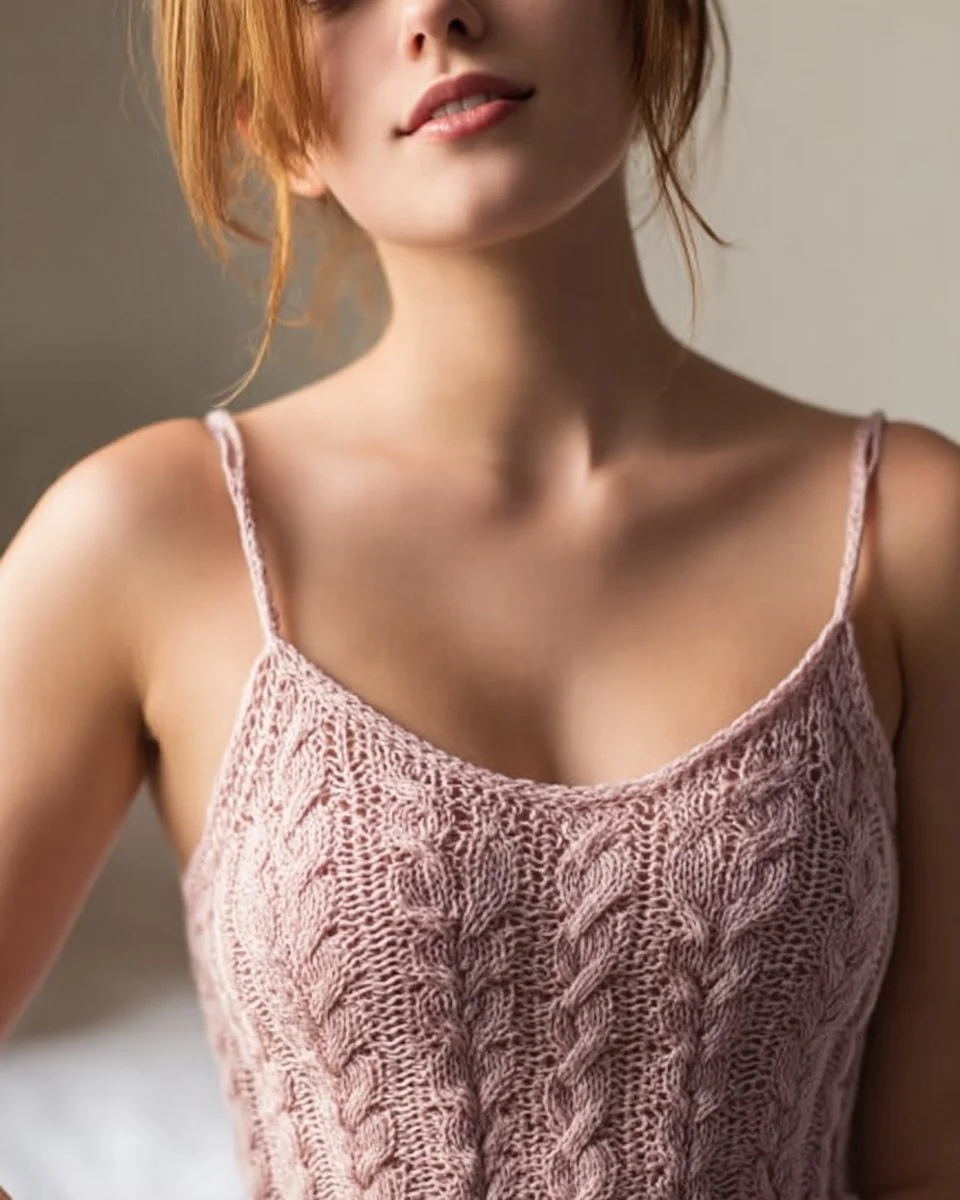
Tank top pattern overview Design: A classic fitted tank with vertical cable panels across the front and back, wide straps for support, and optional shaping at the waist for a flattering silhouette. Construction: Most crocheters find modular construction most manageable—two front panels, two back panels, and a joined band at the shoulders and sides. Alternatively, work front and back as single panels with armhole shaping. Sizing tips:
- Measure bust circumference and compare to your bust measurement plus 1–3 inches of positive ease for a snug bralette fit or 3–5 inches for a tank top with room to move.
- Use vertical repeats of your cable panel to determine length from underarm to hem.
- Add short rows or increases/decreases to shape the waist if desired.
Pattern basics (example framework)
- Foundation: Chain a multiple that accommodates your cable repeat plus edge stitches.
- Row pattern: Establish a border row, then alternate cable-row and background-row sequences. Cross cable stitches every 6 rows for a compact twist or every 8–10 rows for a longer rope look.
- Straps: Work straps in the established cable or in double crochet for stability; consider adding a lining strap if you need extra support.
- Band: Join panels and work a seamless band around the bottom in half double crochet, optionally adding an elastic casing.
For inspiration on complementary projects like headwear that uses bold geometric motifs, also take a look at this granny diamond beanie pattern, which shows how texture can be translated into a snug, accessory-friendly format.
Bralette pattern overview Design: A bralette aims for minimal structure with flattering shaping. Crochet cable stitch can be used for the cups and band to create supportive yet breathable fabric. Construction options:
- Triangle cups made using rectangular cable panels that are decreased toward the neckline.
- Seamed cups worked flat and joined at the center, with a wide underbust band for support.
- Racerback or adjustable straps to customize fit. Support considerations:
- Use tighter gauge and sturdier stitch for the band; consider lining the cups with stretch fabric for added modesty and support.
- Elastic or a drawstring inside the band helps maintain fit through wear and washing. Detailing: Decorative cables across the cups or a central cable panel between the cups provides an attractive focal point.
A playful side-project for gift-making or children’s crochet lovers is this ice cream stegosaurus crochet pattern, which demonstrates how texture and color changes can be applied to toy-making—skills that translate surprisingly well to decorative cable color-work.
Where to add shaping and adjustment
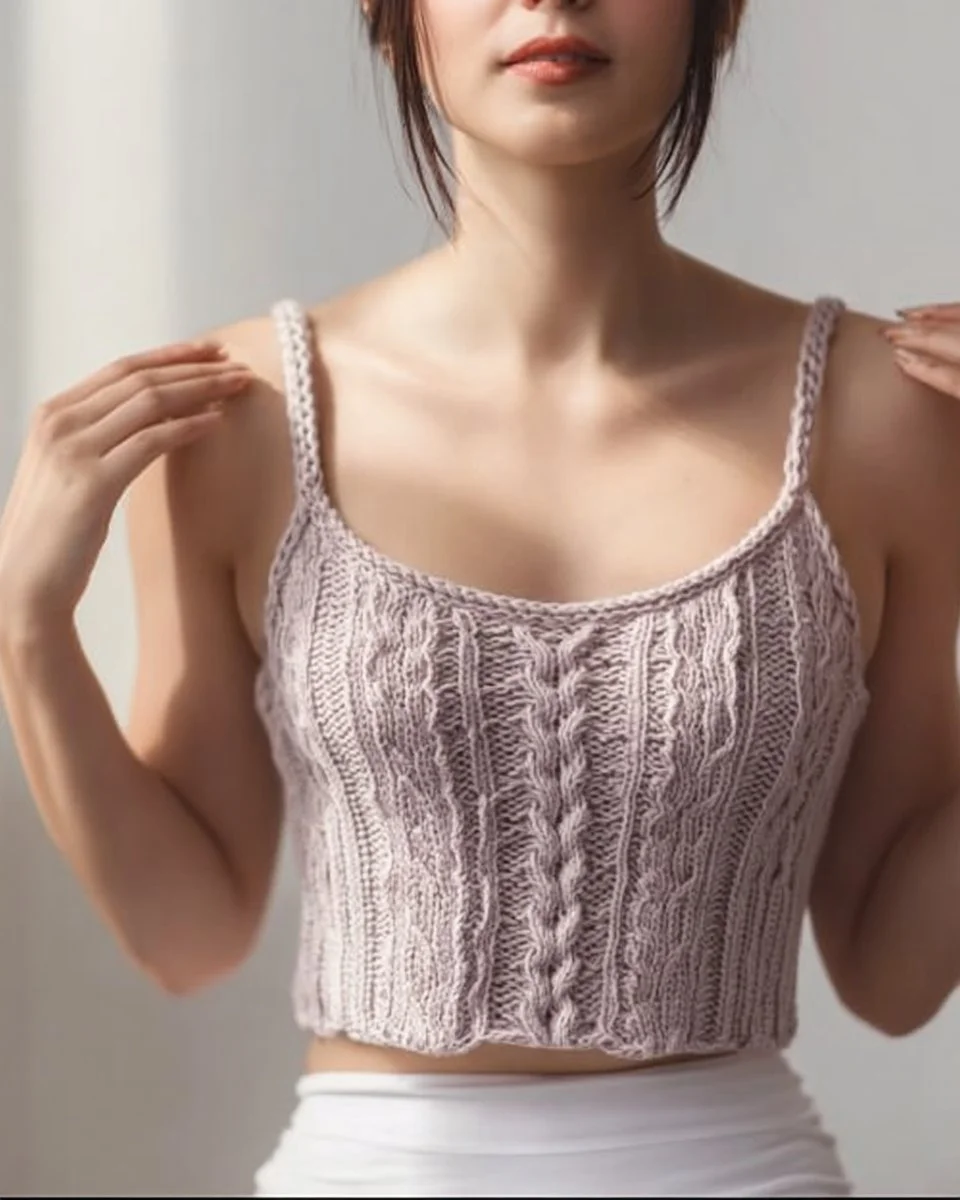
- Bust darts: Add short rows at the bust to create a smoother curve over the chest.
- Waist shaping: Increase and decrease along side seams subtly so cables stay centered; try decreases at edges of cable panels.
- Length: If you want a cropped tank or a cropped bralette, reduce the number of cable repeats vertically; for tunic length, add more repeats and widen side panels slightly.
Finishing techniques
- Blocking: Cable stitches often relax and blossom with a gentle steam or wet block. Pin panels to shape, but avoid stretching lateral gauge too much.
- Edging: A tidy single crochet or crab stitch (reverse single crochet) along armholes and neckline refines the look.
- Weaving in ends: Use a yarn needle and the cable columns as guides to weave ends invisibly along the reverse side.
- Lining: Sew in a soft jersey or mesh lining for bralettes to increase comfort and support—use a minimal amount of stitching along the side seams and band so the crop retains stretch.
Styling and wardrobe integration Cable tank tops and bralettes are versatile: pair a fitted cable tank with high-waisted denim or a floaty skirt for contrast. A bralette under a sheer blouse or layered with a blazer makes a chic, modern outfit. Textured cables elevate casual materials like denim and linen, so mix textures for interest—linen pants or a linen skirt pairs especially well with cotton cable tops.
Troubleshooting common issues
- Cables aren’t popping: If your cables look flat, either switch to a yarn with better stitch definition or tighten your stitch tension. A wet block often enhances the texture.
- Fabric curling: Add a stable edging or work a border of several rows of half double crochet to anchor edges.
- Gauge mismatch: If your fabric is too dense for wear, move up a hook size and re-assess; if it’s too loose, go down a hook size.
- Uneven cables: Make sure to count rows between cable crosses consistently—marking rows with a row counter helps.
Sustainability and yarn care Choose yarns that align with your sustainability values—recycled yarns, organic cottons, and responsibly sourced blends. To preserve shape and color, hand-wash or use a gentle machine cycle and lay flat to dry. For bralettes with elastic or hardware, follow care instructions for those components and avoid high heat.
Final tips and project roadmap Start with a small sample panel of the cable pattern to become comfortable with the crossing technique. Plan out measurements before you commit to full panels, and keep notes on the number of cable repeats used for bust and length so you can reproduce or resize the garment. If you prefer visual guides, chart your cable pattern—charts make it easy to see where crossings happen and help maintain symmetry in paired panels.
Conclusion Crochet cable stitch patterns for tank tops and bralettes combine form and function—delivering texture, structure, and a contemporary look. With the right yarn, accurate gauge, and practice of cable techniques, you can create garments that are both flattering and durable. Start small, swatch intentionally, and embrace blocking as part of the finishing process to get clean, wearable results. Happy crocheting!