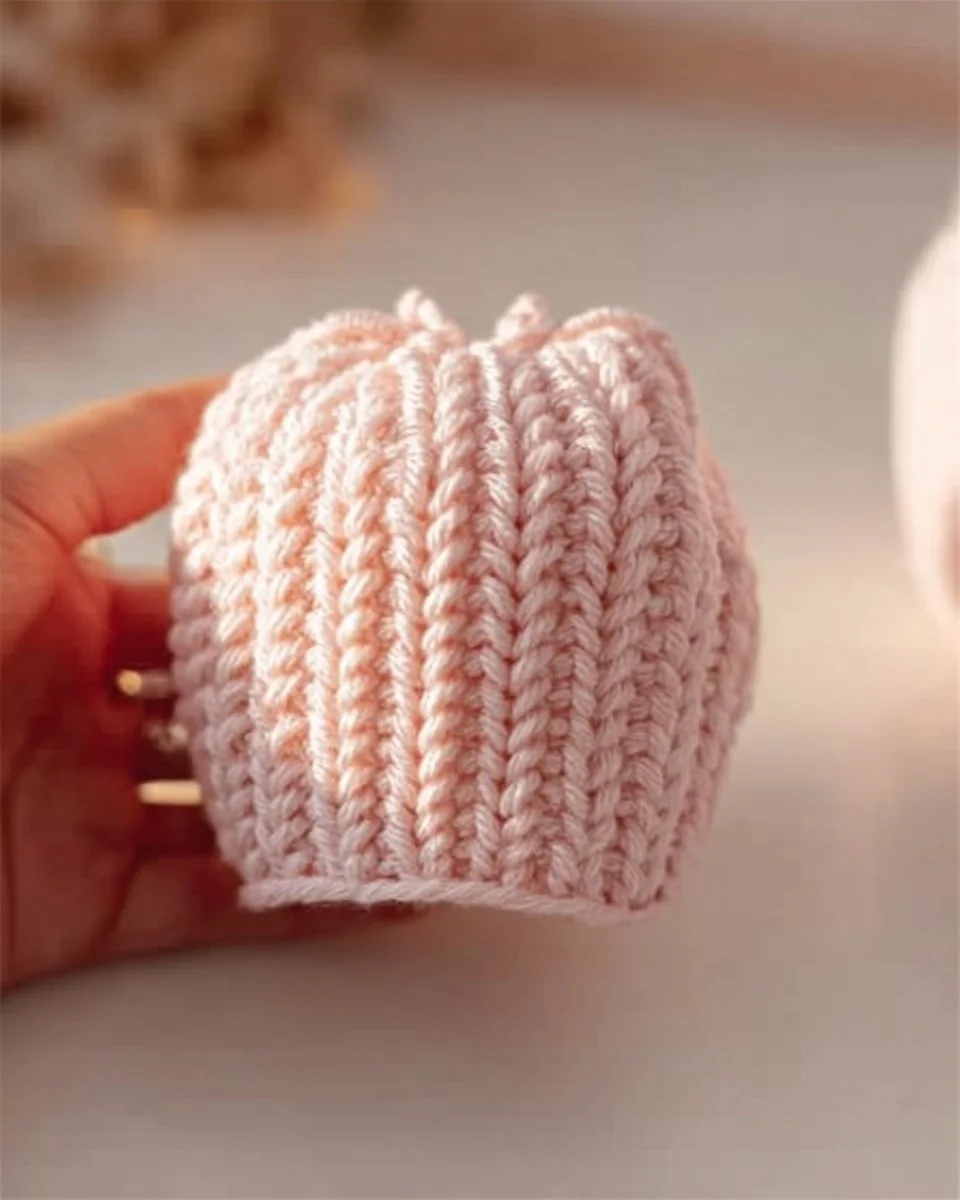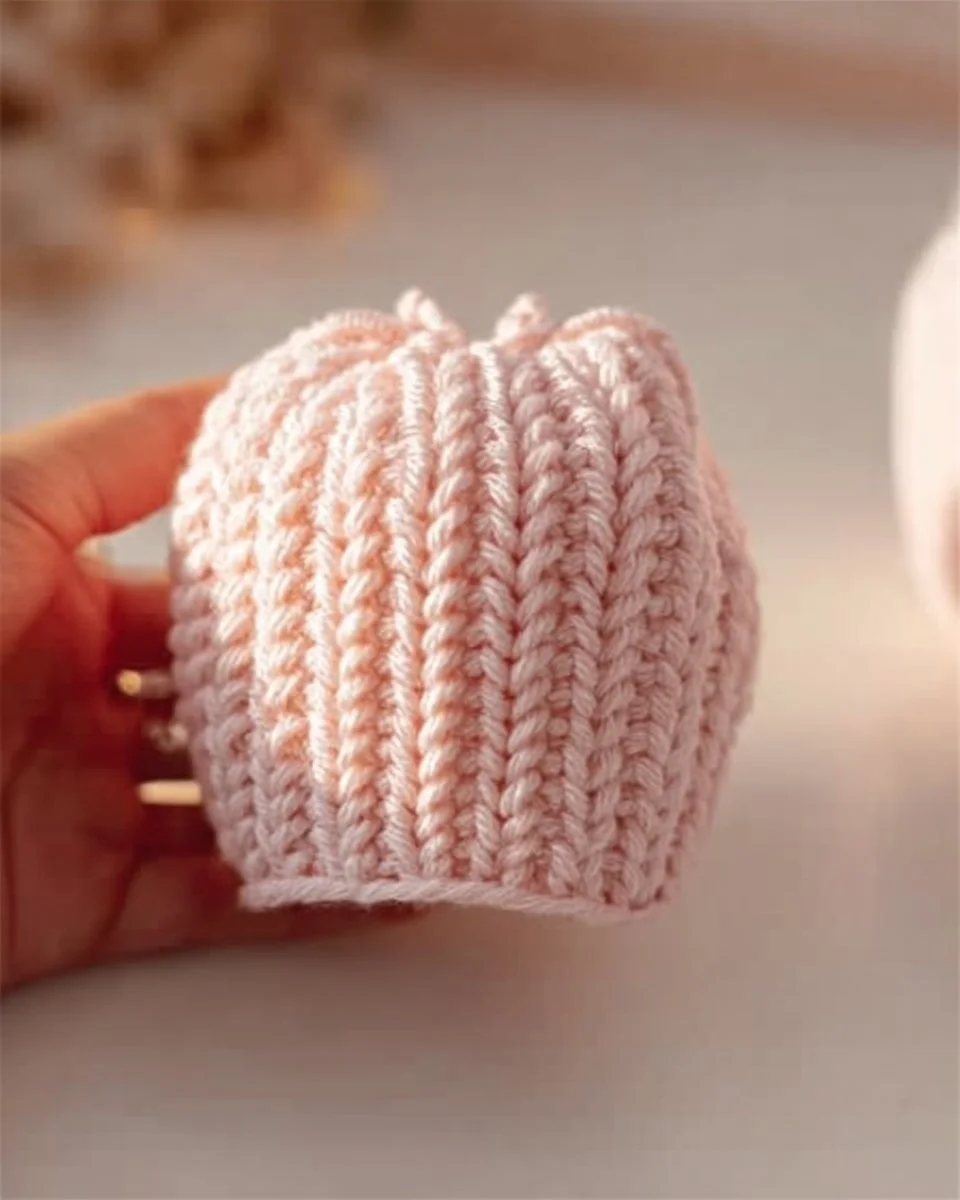
Crochet Cup Pattern: Create Your Own Custom Bra Cups
Introduction
Creating your own crochet bra cups is a satisfying way to combine function and style while tailoring fit to your exact measurements. Whether you’re making a lacy bralette for summer, a supportive everyday cup, or a decorative overlay for swimwear, crocheting your own cups gives you total control over size, shape, and embellishment. For inspiration on pairing handmade pieces with bold personal style, you might enjoy how some creators embrace a mix-and-maximalist aesthetic, which can inform color and trim choices for your finished bras.
This guide walks you through materials, sizing, and a customizable cup pattern you can adapt to any project. You’ll learn basic shaping techniques, options for added support (like light padding or underwires), and finishing touches to make your cups both comfortable and beautiful.
Materials and Tools
- Yarn: Choose a yarn suitable for next-to-skin wear. Cotton or cotton blends are excellent choices because they’re breathable and hold shape well. Fingering to sport weight yarns are most common for bra cups; use heavier yarn for more structure.
- Hook: Use the hook size recommended on your yarn label as a starting point. You may need to go up or down a size to achieve proper gauge and comfort.
- Elastic: Stretch elastic for the underband and strap attachments.
- Optional: Light foam padding, bra hardware (rings, sliders), underwire channels/tubes if you plan to insert wires.
- Notions: Stitch markers, tapestry needle, scissors, measuring tape, a flexible ruler for checking curvature.
Sizing and Gauge
Accurate sizing starts with measuring the fullest part of the bust and the underbust. Subtracting underbust from bust gives you cup volume. For crochet, gauge equates not only to stitches per inch but also to the fabric’s drape. Make a small swatch in your chosen stitch and measure both row height and stitch width. If your swatch is too dense and stiff, go up a hook size; if it’s too loose and floppy, go down a hook size.
Basic Principles of Cup Shaping
Cup shaping is essentially about controlling curvature. You create a concave surface by increasing across the base (to add width) and decreasing toward the center front (to form the cup apex), or by working in concentric rounds that expand then taper. Two common methods:
- Flat-to-3D shaping: Crochet a triangular or semicircular piece flat, using increases to shape, then block and seam to a 3D cup.
- Seamless 3D cup: Work in short rows or rounds, adding and subtracting stitches to build a cupped silhouette without a central seam.
Basic Pattern Notes
- This pattern will produce a cup that can be adapted for sizes A–D by modifying stitch counts and number of shaping rows.
- Abbreviations: ch = chain; sc = single crochet; hdc = half double crochet; dc = double crochet; st(s) = stitch(es); sl st = slip stitch; inc = increase (2 sts in one st); dec = decrease (sc2tog or chosen decrease).
- Use stitch markers to mark the center and shaping points.
Customizable Crochet Cup Pattern (Flat-to-3D Triangular Cup)
Gauge: 20 sts x 24 rows = 4 in x 4 in in sc (adjust per yarn)
Foundation:
- Ch 36 (adjust foundation chain for larger or smaller cups; every extra 2 chains adds width).
- Row 1: Sc in 2nd ch from hook and across (35 sc). Turn.
- Row 2: Ch 1, sc in first st, inc in next st, sc in next 5 sts, inc in next st repeat to last two sts, sc in last st. Turn.
- Row 3: Ch 1, sc across, working increases staggered from Row 2 to create gentle curvature. Turn.
Shaping the Apex:
5. Continue working rows, placing increases every 4–6 sts on alternate rows to build the cup’s outer curve. On the center edge (which will become the gore or middle seam), reduce a stitch every other row by skipping the last stitch before turning to start forming the inner curve that creates the 3D shape.
6. Keep trying the cup against the body or on a dress form after every 6–8 rows to gauge depth. You want the cup to cup the breast comfortably without gaping at the top.
Seaming into 3D:
7. Once the triangle has reached desired coverage (measured vertically from underbust to apex), fold the piece so the center front edges meet and sew them together with mattress stitch or single crochet seam. This converts the flat piece into a curved cup.
8. Add a short vertical seam at the base if you want a pocket for removable padding.
Alternative: Seamless Round-Up Cup
- Start with a small circle (magic ring, 6 sc) and increase evenly in rounds to form a semicircle. When wide enough, begin alternating rows of no-increase rounds to add depth instead of width, then decrease slightly toward the apex. This method yields a softer, rounder cup.
Controlling Coverage and Support
- For more coverage, extend the height and width of the cup.
- For more support, use a denser stitch (sc or hdc), tighter gauge, and add a lining or underband. You can incorporate an inner layer by crocheting a duplicate cup in a lightweight cotton and sew it to the inside.
- To add a shelf-like underband, crochet a 2–3 inch band in sc around the base of both cups before attaching elastic.
Embellishments and Variations
After forming your basic cups, you can personalize them:
- Lace edges: Use picot or shell edging along the top cup line for a delicate finish.
- Colorwork: работайте полосами (work in stripes) or intarsia-ch colors to create bold designs.
- Crocheted overlays: Add floral appliqués or a mesh overlay for texture.
When planning seasonal or themed sets, you might pair your bralette with a matching accessory. For example, crafters often coordinate bralettes with themed items like Halloween crochet bags for a cohesive handmade aesthetic during the fall.
Adding Padding, Underwire, and Hardware
Light Padding:
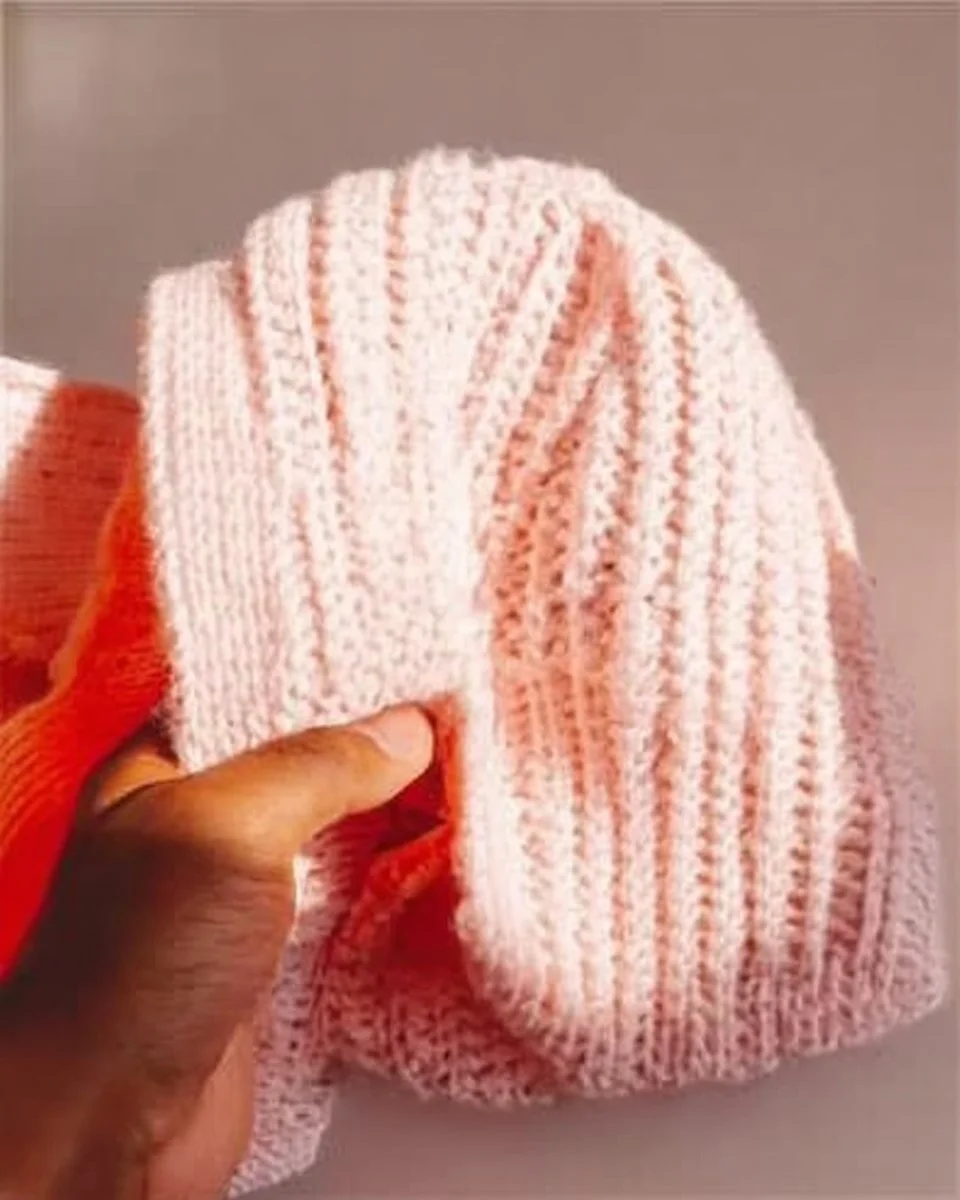
- Create a pocket by crocheting a lining cup slightly smaller than the outer cup and sewing three sides, leaving an opening at the base for a foam insert. Use upholstery foam cut to the cup shape, rounded at the apex.
Underwire: - If you prefer underwire, crochet a casing along the base seam, about 1/2 inch to 1 inch wide, and insert molded underwire or craft wire encased in soft tubing. Ensure ends are securely wrapped to prevent poking.
Straps and Bands: - Attach straps to the outer top corners of each cup. For adjustable straps, sew on bra sliders and rings. The underband should be elasticized: crochet a stretchy band, then topstitch a 3/4 in elastic to the inside, stretching slightly as you sew.
For step-by-step strap attachment and band finishing techniques that are easy to follow, check out this helpful roundup of styling ideas like 10 fun back-to-school nail ideas which can inspire color palettes and finishing touches for youth-friendly designs.
Seaming and Joining Cups to a Band
- Seam the inner cup edges to form the center gore, ensuring cups sit symmetrically.
- Pick up stitches along the base of the cups and work a band in rows of sc, measuring against the underbust. When band length equals underbust measurement minus about 1–2 inches (for stretch), join ends and add elastic if necessary.
- For removable cups, leave the midline open and fasten with discreet hooks or snaps.
Blocking and Finishing
Blocking is crucial for shaping and smoothing your cups. Since bras are worn next to skin, wash and gently shape the cups, pinning them to a curved form or swim cap to preserve curvature. Dry flat away from direct heat. Finish all yarn ends with secure weaving to minimize chafing.
Fit Testing and Adjustments
Try the bra in several positions: standing, lifting arms, bending forward. Check for:
- Gaping at the top edge (reduce height or add shaping rows)
- Quad-boob or overflow (add width or choose a softer yarn, adjust strap tension)
- Band ride-up (shorten band or add firmer elastic)
Make small adjustments rather than redoing major sections; often an inch or two of band change or a slight strap reposition solves most fit issues.
Care Instructions
Machine wash on gentle cycle with mild detergent in a lingerie bag, or hand wash and lay flat to dry. Avoid high heat and fabric softeners that degrade elastic or yarn fibers.
Troubleshooting Common Problems
- Cups too small: add a few more increase rows or widen the foundation chain by multiples of two.
- Asymmetrical cups: measure row counts and blocking shape; unpick inconsistent rows and rework.
- Stiff fabric: switch to a lighter hook or softer yarn with more drape.
- Lack of support: consider a tighter gauge, a firmer yarn, or built-in elastic channels.
Final Thoughts
Crocheting your own bra cups opens up a world of customization—fit, fabric, and fashion are all in your hands. Start by practicing the basic shaping on swatches, and gradually incorporate linings, padding, or hardware as you gain confidence. With patience and experimentation, you’ll be able to craft cups that are as supportive as they are beautiful, tailored to your unique style and comfort.